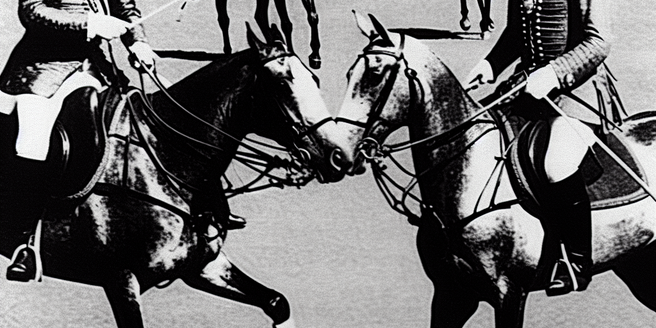
1. Early Interest: A Historical Perspective
The history of European monarchs involved in sports dates back to the ancient days when physical prowess represented power and respect. Hunting was, notably, one of the most prevalent sports among royal circles and this often involved enormous hunting parties composed of the noblest members of society. The physical exertion was seen as a form of training for warfare, a crucial aspect of a ruler’s lifestyle back then. Moreover, sports were also used as an opportunity to display monarchy’s superior talents and skills to their subjects.
Warmongers to Sportsmen: A Trasformation
From their early history steeped in war and conquest, the European monarchs underwent a significant transformation. They began to see the value in promoting peaceful endeavors rather than constant conflict. This shift is not only evident in their public policies but also in their personal interests. Sports began to transcend their militaristic origins, becoming a hobby, an entertainment, and a sign of refinement. As societies evolved and peace became more prevalent, royal interest gradually shifted from warfare to sportsmanship.
Industry Impact: Monarchal Patronage in Sports
Monarchal patronage has had a huge impact on various sports. Interestingly, this includes sports from polo to cricket, reflecting the diverse interests of the monarchy. Royal endorsement converted these sports from simple leisure activities into prestigious events, with live games often attended by the monarchs themselves, attracting more participants and enthusiasts. The monarch’s involvement catalyzed the growth of sports industries, bringing in significant economic benefits and strengthening social ties.
Polo, Sailing and More: Popular Sports Among Royals
Among the vast array of sports, polo, sailing, and hunting have been particularly popular with royals. These sports offer both a thrill and a challenge, demanding not just physical prowess, but also tact and finesse. They are considered activities of prestige and skill, often held in high regard by those of noble lineage. Not only do these sports showcase physical abilities and strategic thinking, but they also symbolize a certain class and societal status, fitting naturally with the royal image of elegance and grandeur.
Shift in Dynamics: Monarchs as Sports Diplomats
In today’s modern era, numerous European monarchs are leveraging prestigious sports events as an effective diplomatic tool to enhance international relationships. They use these globally-watched events, which naturally unify diverse communities, to promote their monarchy, nation’s achievements, cultural heritage, traditions, resources, and unique world contributions. These platforms, which extend beyond their national borders, emphasize both traditional and modern facets of national identity to foster national pride and stimulate international investment and tourism. The thoughtful orchestration of these sports events also helps craft a positive image of their respective monarchies, promoting a strong connection with their people.
Current Involvement: European Royals in Contemporary Sports
Today, many European royals continue their legacy of sports involvement. They are enthusiastic spectators, regular participants, and even patrons of various sports. The Spanish royals, King Felipe and Queen Letizia, for example, are particularly known for their passion for sailing and regularly participate in regattas. Royals such as Prince William and Kate, the Duchess of Cambridge, often make headlines for their appearances at sports events. Their active engagement adds a touch of royal charm to the sports world, shedding light on the enduring relationship between the monarchy and sports.