1. Understanding Mountain Ecosystems
Mountains are complex ecosystems that are home to a vast array of plant and animal species. When we engage in mountain travel, we become temporary visitors in this unique world. The air is thinner, the weather is more unpredictable, and the landscapes are far more varied than in any other ecosystem. Understanding the dynamics of mountain ecosystems can greatly enhance our appreciation of them. From the fragile alpine flowers that bloom on high slopes, to the hardy mountain goats that roam the cliffs, everything is interconnected in a delicate balance.
Preparation and Gears for Mountain Travel
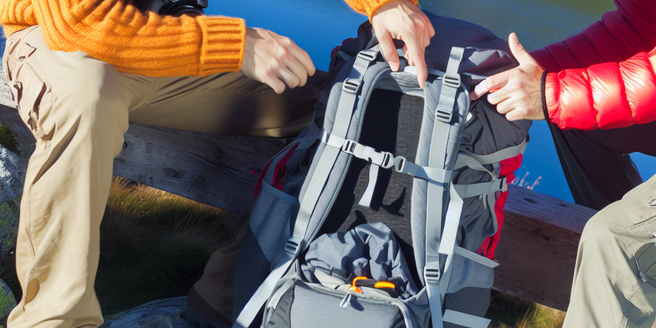
Proper preparation and gears for mountain travel are key to a successful and safe experience. Weather conditions can vary greatly in the mountains, and it’s important to be prepared for all possible scenarios. Essential gears include reliable footwear, warm and waterproof clothing, navigation tools, and safety equipment such as a first aid kit and avalanche gear. It’s always advisable to carry extra food and water, and to be aware of the terrain and weather conditions before setting off on your mountain adventure.
Tips for Safe Mountain Hiking
Mountain hiking is a thrilling and rewarding activity, but it also comes with its share of challenges. Therefore, it’s pivotal to ensure your safety while on trail. Always hike in groups, stick to marked trails, and let someone know your plans before leaving. Be mindful of potential hazards like falling rocks, steep terrain, slippery surfaces and sudden weather changes. Understanding your limits, staying hydrated, and taking frequent breaks can greatly improve your hiking experience.
Best Locations for Mountain Travel
The world is dotted with spectacular mountains waiting to be explored. From the snow-capped Himalayas in Asia to the rugged Rockies in North America, each offers a unique experience. The Alps in Europe are known for their stunning panoramas and ski resorts, while the Andes in South America feature some of the world’s highest peaks. The diversity of flora and fauna, the cultural richness, and the breathtaking vistas are just a few reasons why these destinations rank among the best for mountain travel.
Survival Skills in Mountainous Terrain
Survival skills in mountainous terrain involve knowing how to navigate, find food and water, build a suitable shelter, and keep warm. Additionally, recognizing signs of avalanche risk is paramount. Knowledge of first aid and understanding weather patterns is also crucial. It’s important to respect all wildlife, knowing an encounter can be dangerous if not handled correctly. With the right skills, determination, and respect for the natural world, mountain survival is manageable and can be a truly life-affirming experience.
Preserving Nature: Leave No Trace Principles
As we admire and enjoy the mountainous outdoors, it’s our responsibility to preserve its beauty. Adopting the Leave No Trace principles urges travelers to respect and care for wild places. This includes packing out all waste, leave what you find, and be respectful of wildlife and other hikers. The maxim ‘Take only pictures, leave only footprints’ perfectly encapsulate this ethos. By following these guidelines, we can ensure that these natural wonders will be enjoyed by generations to come.